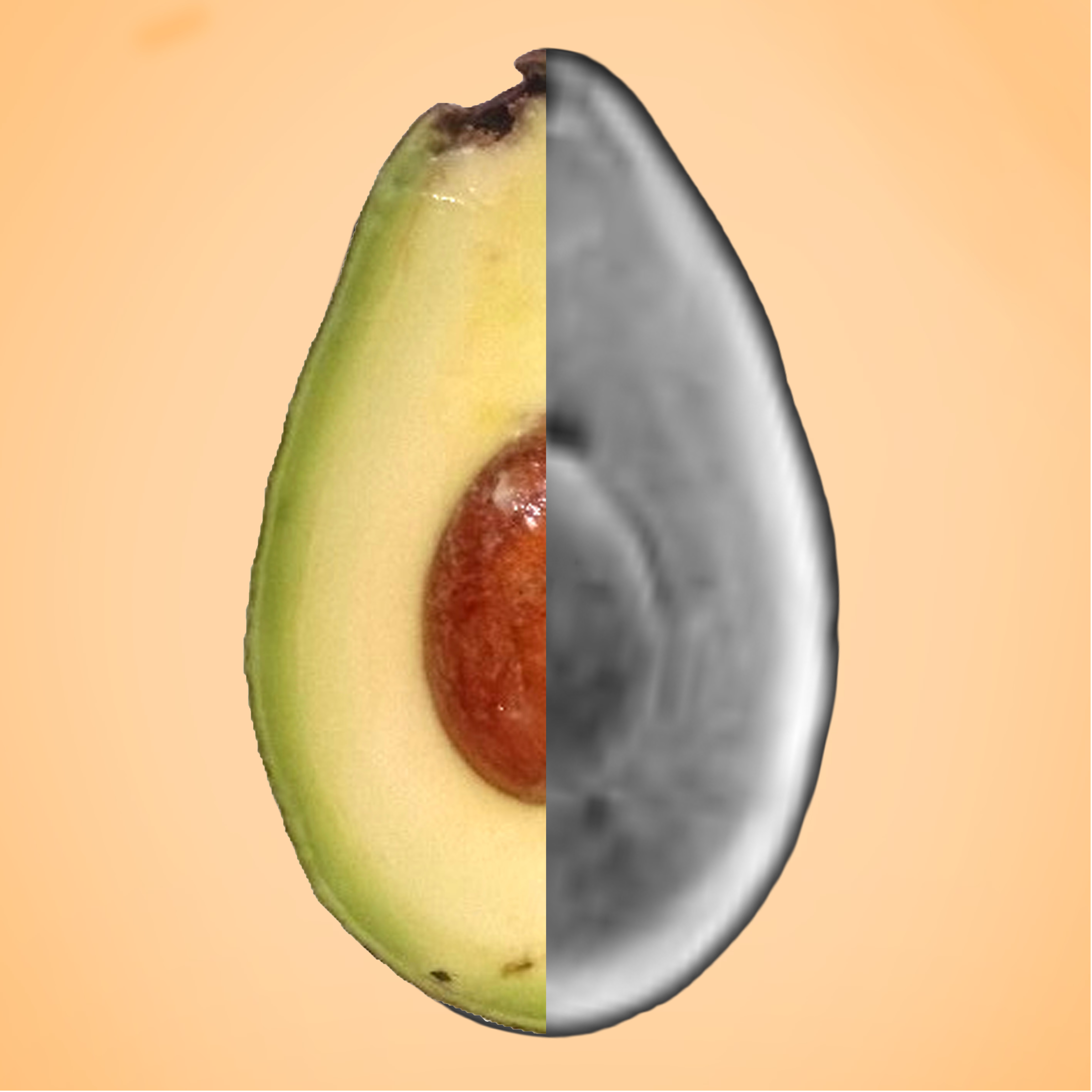
Food waste starts with a decision made too late.
Climate change, labor shortages and market volatility put agricultural businesses under pressure. Artificial Intelligence helps the sector make decisions while they still matter, to reduce food waste, gain a competitive advantage, and increase operational resilience.
Agriculture feeds more than 8.2 billion people today. By 2050, our planet will have another 1.5 billion mouths to feed. The big question is: how can the agricultural industry feed everyone, in a world that has to cope with the devastating effects of climate change, with market volatility, limited space to grow and produce food, and with supply chain disruptions caused by war?
An even more alarming fact is that a considerable portion of the food we produce never gets eaten while millions face hunger. UNEP’s Food Waste Index estimates that 1.05 billion tonnes of food were wasted in 2022, about 19% of the food available to consumers. That same year, 783 million people went hungry.
Food loss and waste also generate up to 10% of global greenhouse gas emissions. And UNEP’s figure only counts waste at retail, in food service and at home. Losses between harvest and retail get added on top. FAO estimates that 13.3% of food was lost along that stretch in 2023. Fruits and vegetables fare worst, at more than 25%.
Many of the factors endangering global food security and the resilience of the agricultural sector as a whole lie outside of our control. Agricultural businesses do, however, have tools available to help them strengthen operational processes, gain a competitive edge, and increase sustainability, in the face of major global threats. Some of the most powerful of these tools have one thing in common: they use Artificial Intelligence (AI). And they are poised to change how we produce food for generations to come.
The forces shaping the future of agriculture
A June article, Boston Consulting Group (BCG) names four structural forces that are transforming the agricultural industry today. Climate volatility, geopolitical realignment, and regulatory shifts are three of them. We live in a world of extreme rainfalls, heat, and seasonal variability that affect producers severely, a world where regulatory shifts (like EU deforestation rules or scope 3 carbon reporting) have made compliance more complex than ever, and where geopolitical events cause supply chain disruptions (think of shipments through the Strait of Hormuz) that send shockwaves around the planet.
Those are not the only risks to global food production and operational stability in agriculture. Markets and prices are volatile, farmland per person is shrinking, staff shortages in agriculture are a very real problem, and biodiversity is declining steadily (ref, ref).
But outside those threats lies a fourth force, one that has the potential to help the agricultural sector respond to external risk factors. Artificial Intelligence is already steering modern agriculture towards data-driven decisions. Innovative technologies powered by AI allow producers, retailers, and other supply chain members to reduce food waste, cost, and uncertainty (ref, ref).
How does the agricultural sector already use AI?
The fields of application for AI in agriculture are extremely diverse. From non-destructive quality control to intelligent irrigation and in-ovo sexing: The targeted use of intelligent technologies offers all players in the value chain considerable competitive advantages and a way to increase operational resilience, among others. The following list is not exhaustive, but provides an overview of a few of the most important current agricultural applications.
In-ovo sexing
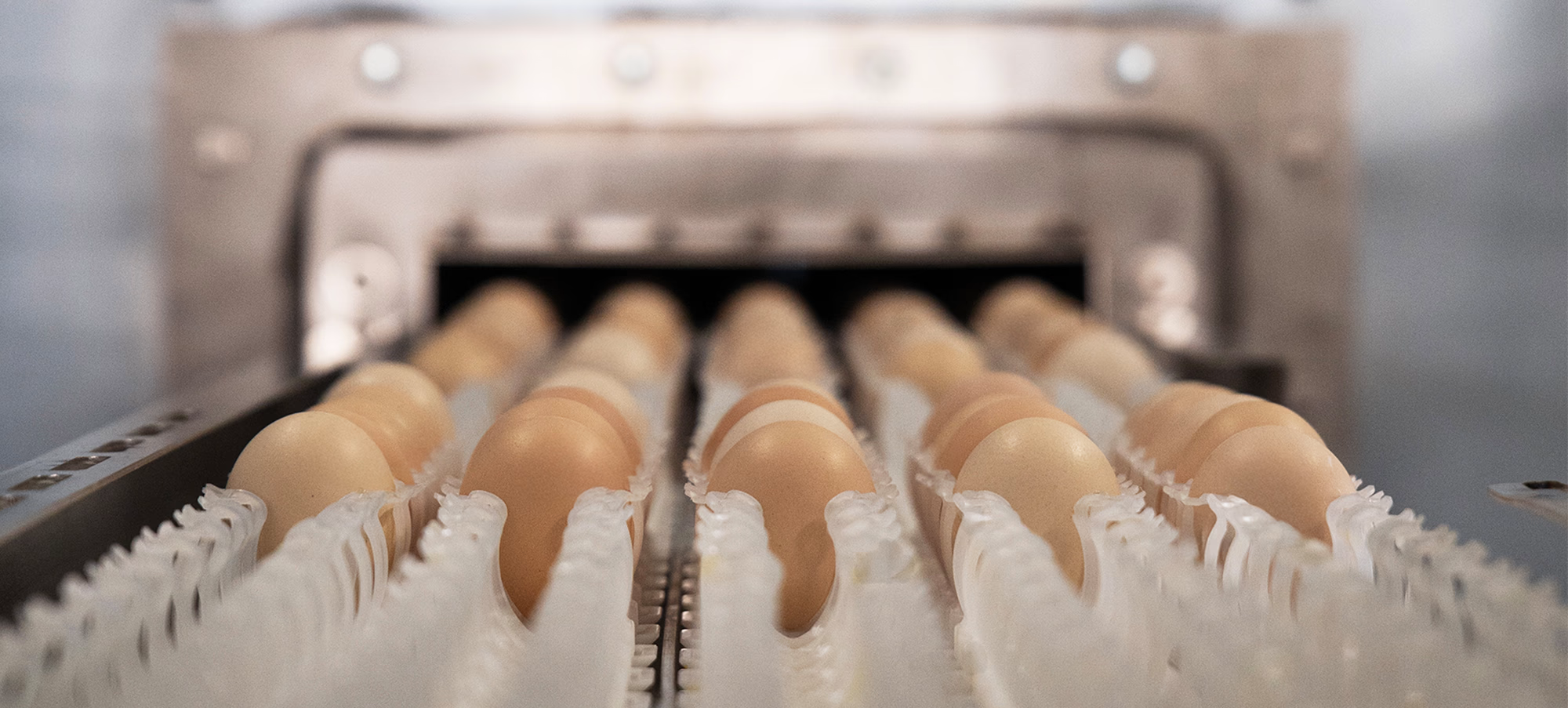
Once, hatcheries and egg producers dreamt of knowing what was happening inside every egg. In the layer industry, males would need to be sorted out manually by trained staff, and then culled. With in-ovo sexing this changed: Orbem’s and Vencomatic Group’s Genus Focus, which combines AI with non-invasive MRI, sees inside every egg, providing hatcheries with the biological intelligence they need to make decisions while they still matter.
Both male and unfertilized eggs can be sorted out before the embryos begin to feel pain, freeing up valuable incubator space and opening up alternative sources of income for hatcheries from repurposing sorted-out eggs. Innovate Animal Ag reported that, as of June 2026, 40% of the EU’s commercial egg layer flock was sexed with in-ovo technology and a global transition led by countries such as the U.S. is on the way.

Non-destructive quality control in fresh produce
Quality control in fresh produce used to mean cutting open one fruit and inferring the quality of the remaining batch. It meant rejected loads because hidden defects slipped through, it meant inconsistent quality and costly claims, as well as brand damage for producers.
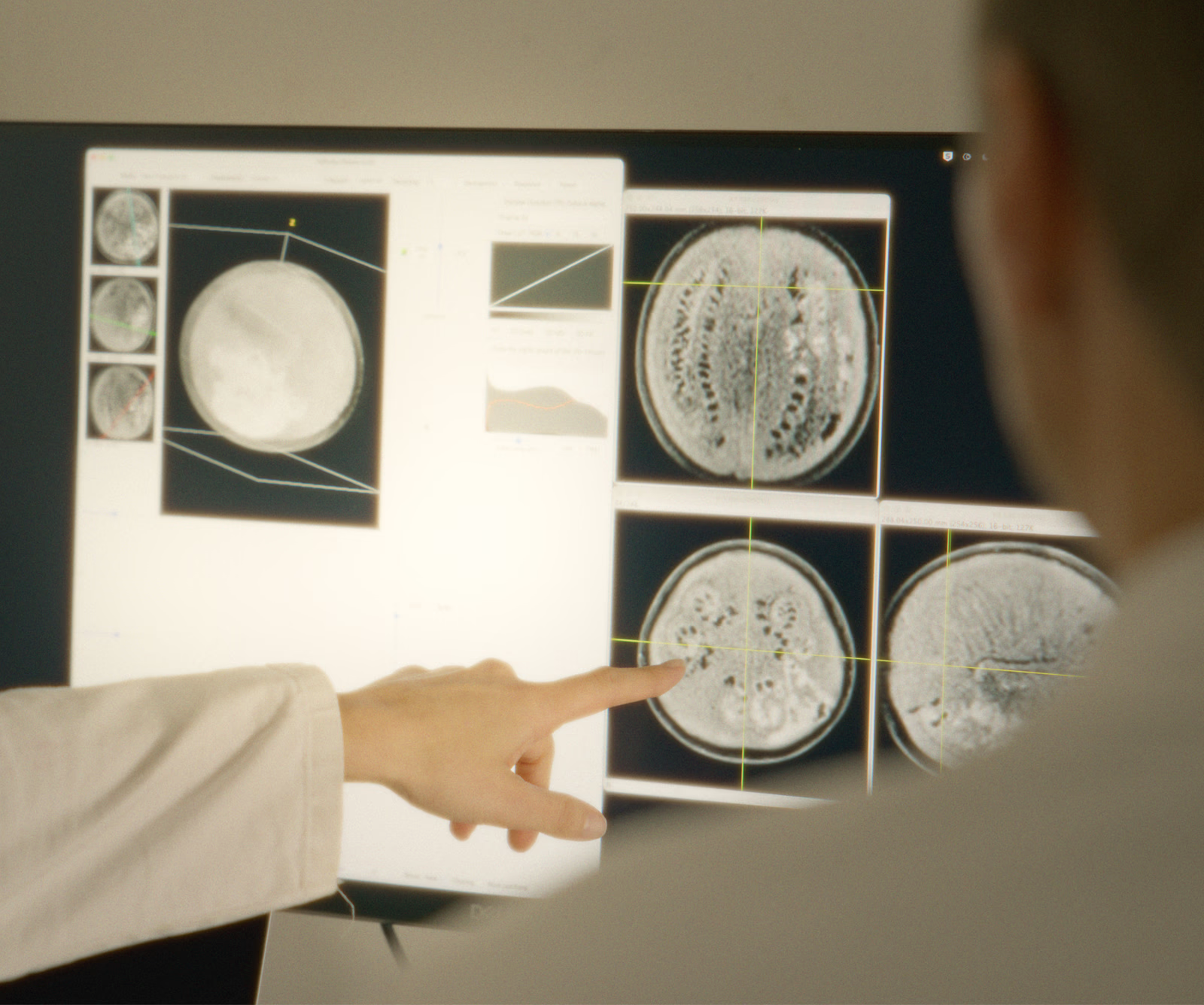
Today, non-destructive defect detection offers producers a new way of seeing inside every piece of fruit. Orbem’s Genus Echo uses AI-powered MRI to provide a 3D image of the entire fruit, analyzing it from surface to core. With this tool in hand, producers can achieve consistent quality that meets rising retail standards and supports premium positioning (ref).

Pest and disease detection in crops
One of the most important applications of AI for farmers is the intelligent detection of certain pests and plant diseases. Especially the combination of remote sensing and AI has proved highly useful, allowing farmers to detect and monitor diseases and pests. Replacing manual processes, AI-supported pest and disease control becomes less costly, more efficient, and more environmentally responsible (ref).
Predicting crop yields
The AI-supported evaluation of certain data, such as temperature, rainfall, and soil pH value, makes it possible to predict possible crop yields. This sort of predictability enables farmers to make informed decisions while it still matters and helps counteract the effects of climate variability (ref, ref).
Intelligent irrigation systems
Analyzing soil moisture, AI can estimate the need for irrigation in specific areas, enabling more targeted irrigation, which saves resources and optimizes yields. Intelligent systems ensure that plants receive the exact amount of water they need at any given time, to support healthy growth. Water consumption can be tracked and problems with irrigation systems can be identified quickly (ref).
Observing the behavior of farm animals
Using AI-supported video surveillance, farmers can monitor animal behavior in the barn and detect and react to injuries or illness at an early stage. A concrete use case for intelligent monitoring is the early detection of signs of tail biting in pigs so that intervention can be taken before injuries occur (ref).
Fertilization status detection
Up to 20% of poultry eggs that go into the incubator are unfertilized. This means that valuable incubator space goes to waste, which is especially costly for broiler hatcheries. Orbem’s Genus Scale enables hatcheries to remove those unfertilized eggs before incubation. Unfertilized eggs that used to have little to no commercial value can be repurposed instead, creating alternative revenue streams.
AI is changing decision-making in agriculture now
Artificial Intelligence in agriculture is not a thing of the future, it is a vast set of tools that companies have already started implementing. Each of these tools moves companies to more data-driven decision-making and it allows for decisions to be made while they still matter: before a load of avocados is rejected at the retailer, before a male chick needs to be culled.
Orbem has scanned more than 250 million eggs since January 2023, preventing the culling of more than 100 million male chicks and providing ethically produced eggs for more than 170 million people. JimboFresh, which marketed more than 38,000 tonnes of watermelon in 2025, used the Genus Echo this season to inspect fruit from skin to core.
Are you thinking about integrating AI-powered quality control, in-ovo sexing, or fertilization status detection into your workflows?
Reach out to our team via our contact form.
About the Author

Barbara Jilek, Senior PR and Content Marketing Manager
Barbara builds relationships with journalists and tells Orbem’s story on all our channels and anywhere else people will listen.